Disposal of X-ray Generating Analytical Machines
1. Project Overview
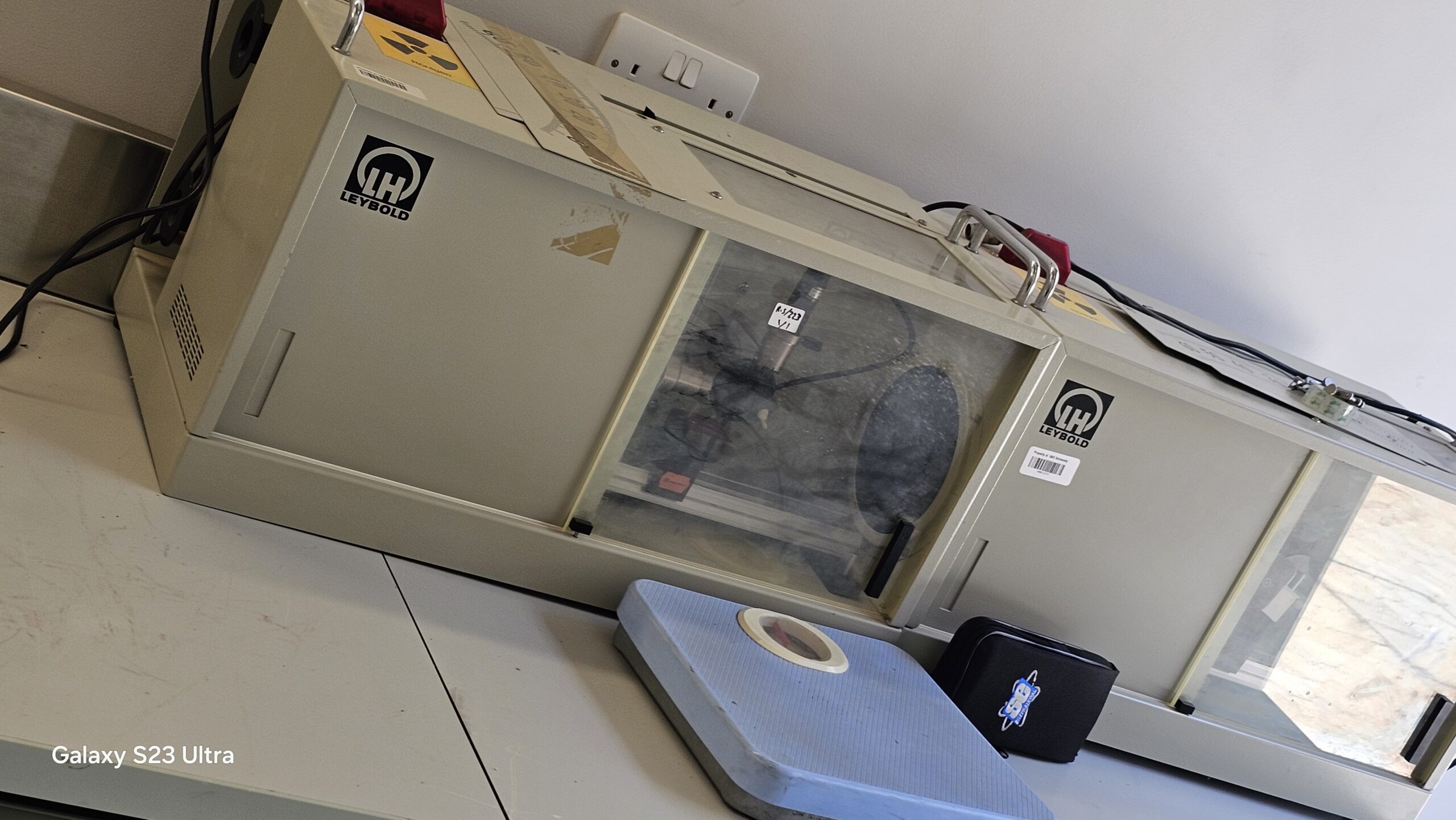
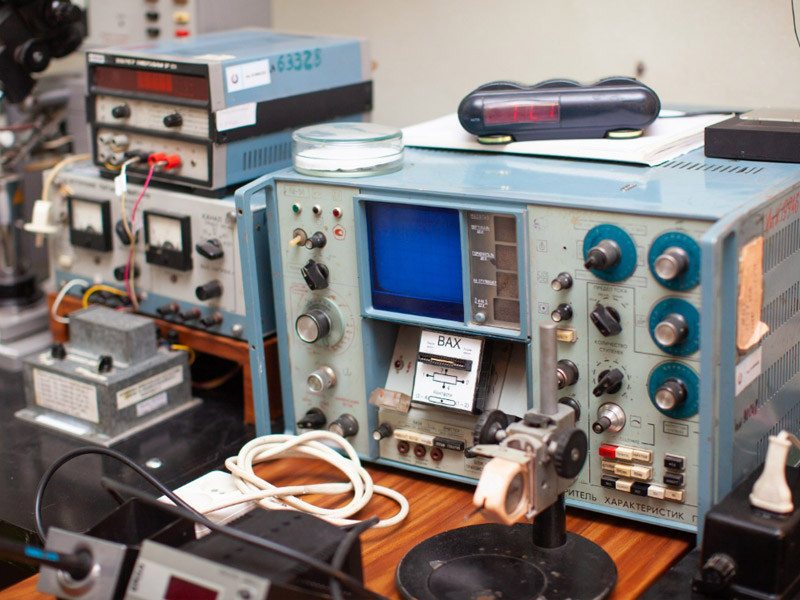
RADXION was contracted by a leading research institution to decommission, remove, and responsibly dispose of end-of-life X-ray analytical instruments (e.g., XRF spectrometers, XRD diffractometers, and micro-CT scanners). These devices contain regulated components—X-ray tubes, high-voltage generators, lead shielding, and electronic waste—that require specialized handling to protect personnel and the environment.
2. Objectives
-
Safe Decommissioning: Power-down, disassemble, and physically isolate all X-ray sources and high-voltage assemblies.
-
Regulatory Compliance: Ensure all radioactive-equivalent and hazardous materials are handled per IAEA SSR-6, local radiation safety, and electronic-waste regulations.
-
Environmental Stewardship: Facilitate recycling of metals and recovery of valuable components wherever feasible.
-
Full Documentation: Provide auditable records from equipment removal through final waste disposal or recycling.
3. Scope of Work
-
Pre-Decommission Survey
-
Identify all devices and map their locations.
-
Verify operational status and any residual activation or contamination.
-
-
Device Decommissioning & Disassembly
-
Disconnect power, bleed high-voltage capacitors, and lock-out/tag-out electrical circuits.
-
Remove X-ray tubes and cushion in lead-lined transport cases.
-
Dismantle internal lead shielding panels and transport to licensed radiological recycling facility.
-
Segregate circuit boards, cables, and non-shielded metal frames for e-waste recycling.
-
-
Packaging & Conditioning of Hazardous Components
-
Encapsulate X-ray tubes in Type A packaging with shock-absorbent inserts.
-
Bag and box lead shielding elements with hazardous-waste labeling.
-
Collect high-voltage capacitors and any mercury-containing switches as universal hazardous waste.
-
-
Regulatory Approvals & Transport
-
Prepare waste manifest and transport documentation compliant with ADR/RID and local environmental authority.
-
Coordinate with FANR (if any sealed sources or activation products are present) for transport licenses.
-
Engage a licensed carrier for both radioactive-equivalent and electronic hazardous components.
-
4. Equipment & Materials
-
Transport Containers: Lead-lined X-ray tube cases; UN-approved drums for capacitors and mercury devices.
-
Handling Tools: Remote grippers for hot components, torque-limited tools, and shielded transfer trolleys.
-
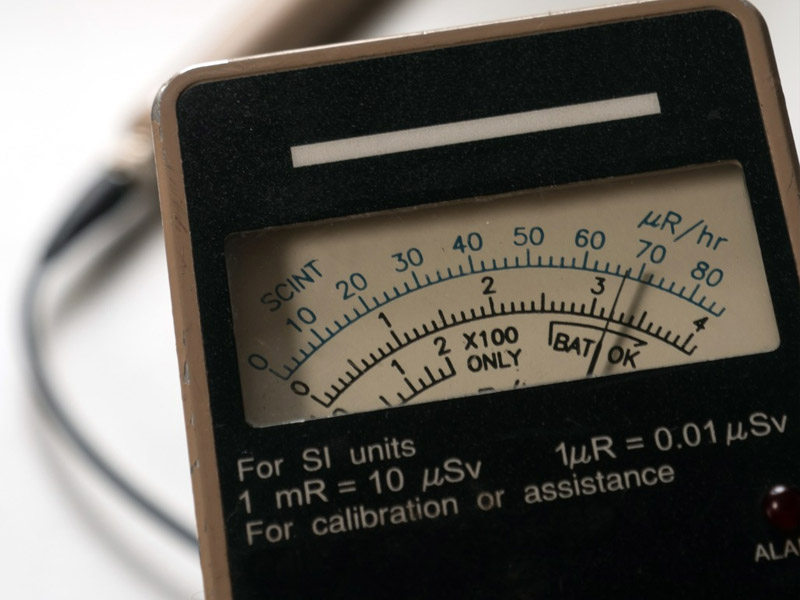
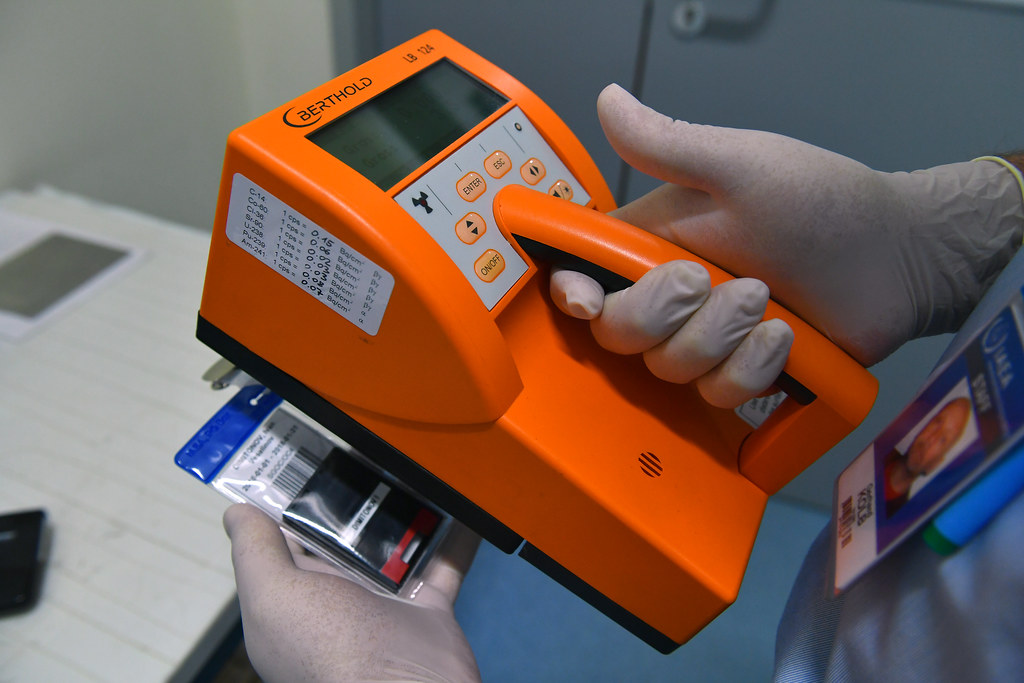
Monitoring Instruments: Portable survey meters (for any residual X-ray leakage), high-voltage tester, and contamination swipe kits.
5. Regulatory & Safety Compliance
-
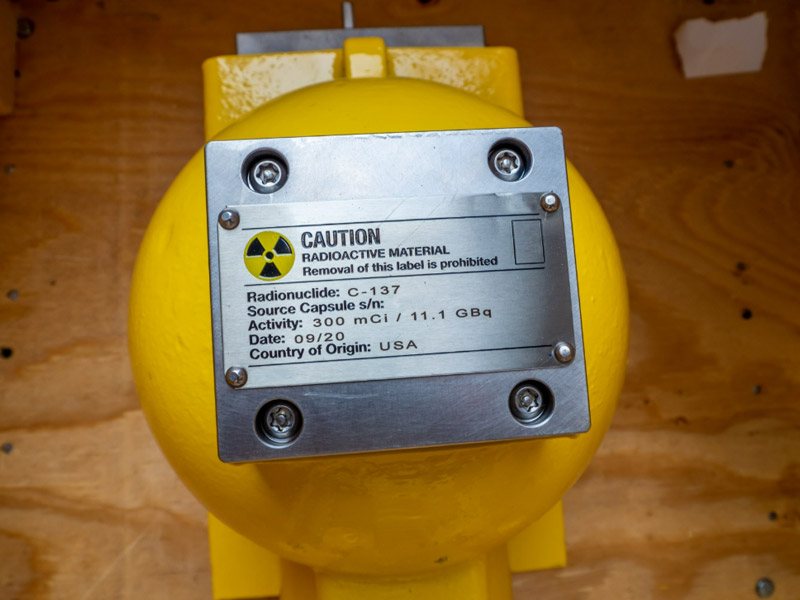
Radiation Safety: IAEA SSR-6 guidelines applied to disused X-ray tubes considered “radiation sources.”
-
Electrical Safety: Lock-out/tag-out per IEC 60364 and local electrical codes.
-
Hazardous Waste: Hazardous chemical and e-waste regulations for capacitors, PCBs, and mercury switches.
-
Transport: ADR/RID for road transport; FANR licensing if any sealed-source equivalency is identified.
6. Deliverables
-
Decommissioning Report: Site atlas of all devices, residual survey results, and disassembly records.
-
Waste Manifest & Certificates: Signed hazardous-waste manifests, transport permits, and disposal/recycling certificates.
-
Recycling & Recovery Summary: Quantities of metals recycled, lead shielding forwarded, and e-waste processed.
-
Project Close-Out Document: Comprehensive record of all steps, regulatory approvals, and “lessons learned” for future device lifecycle management.