Mobile Offshore Radioactive Material Storage
1. Introduction
This project centers on the design and fabrication of a self-contained, towable storage system for radioactive materials, optimized for offshore deployment. It ensures safe, compliant, and flexible interim storage near offshore facilities (e.g., oil platforms, wind farms).
2. Objectives
Mobility: Enable rapid repositioning by tug or support vessel.
Safety: Provide multi-layer shielding, containment, and active cooling.
Compliance: Meet IAEA Type B package standards and local maritime regulations.
3. Scope
Conceptual and detailed design
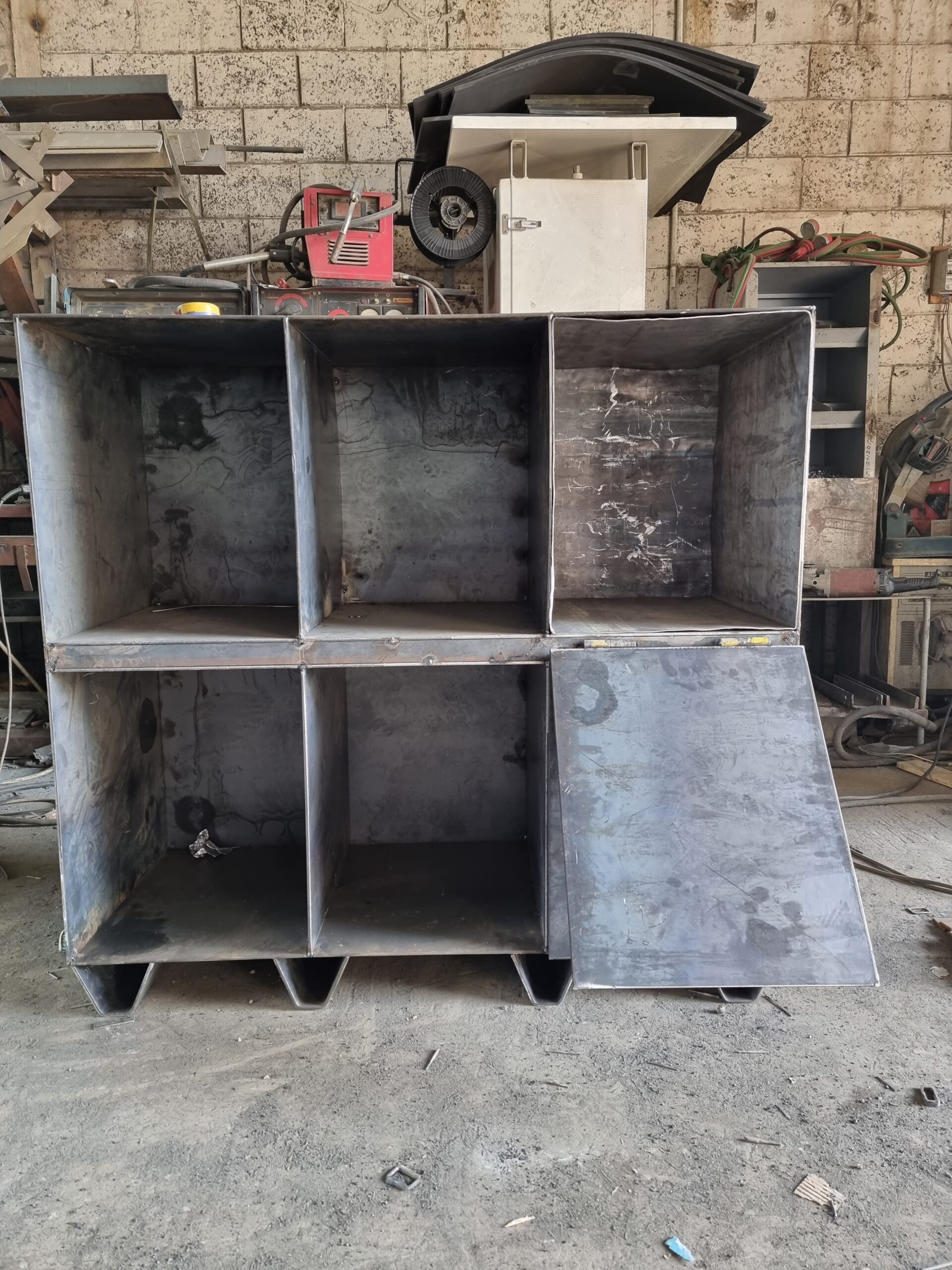
Fabrication of modular storage casks and barge structure
Integration of shielding, cooling, and monitoring systems
Sea-trial testing and certification
4. Design Features
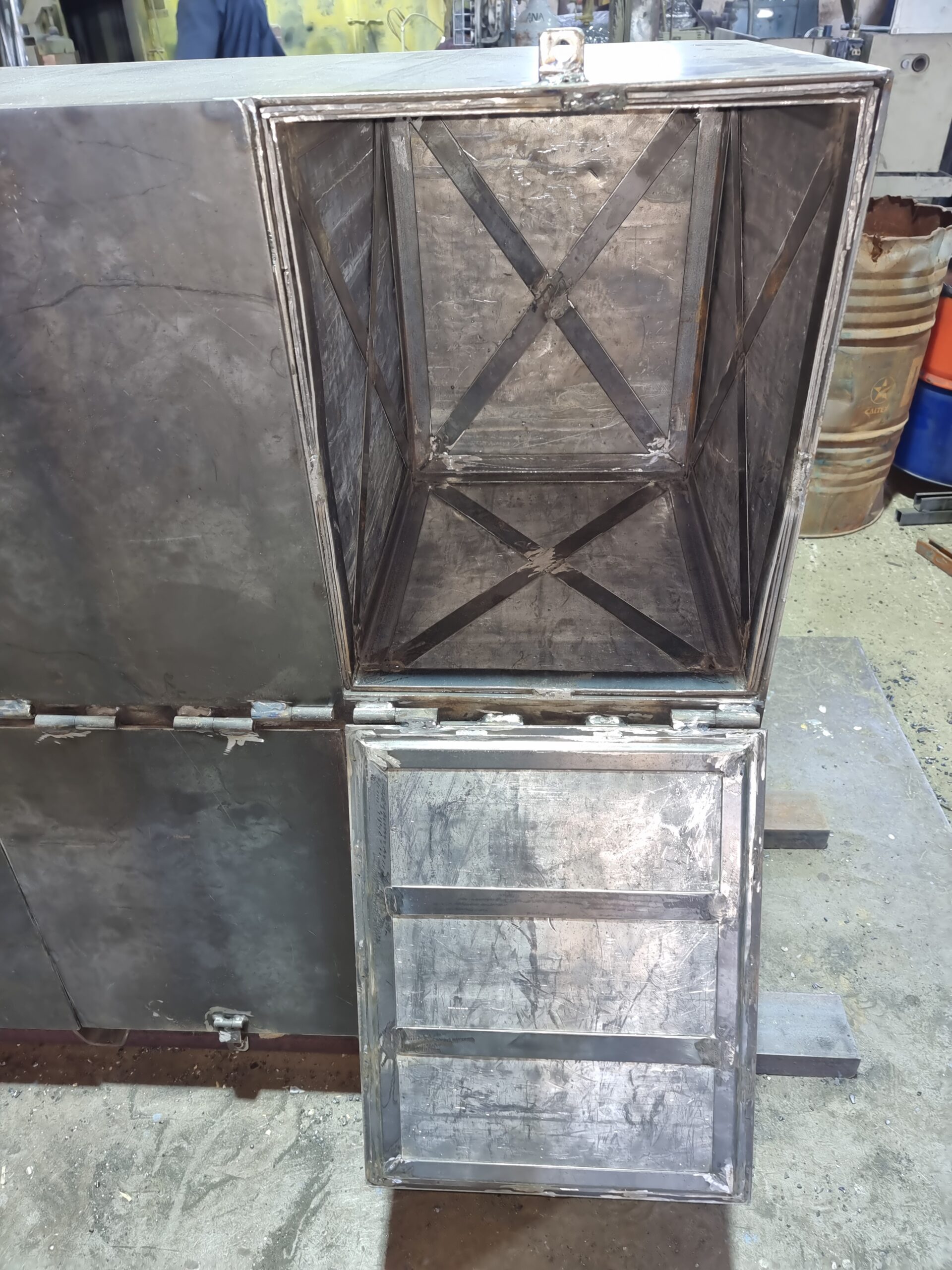
Modular Casks: Heavy-wall stainless steel with lead/concrete layers.
Shielding Walls: Surround casks on three sides, integrated into the barge deck.
Containment Barrier: Secondary sealed enclosure with leak-detection sensors.
Active Cooling: Air- or seawater-based heat exchangers to dissipate decay heat.
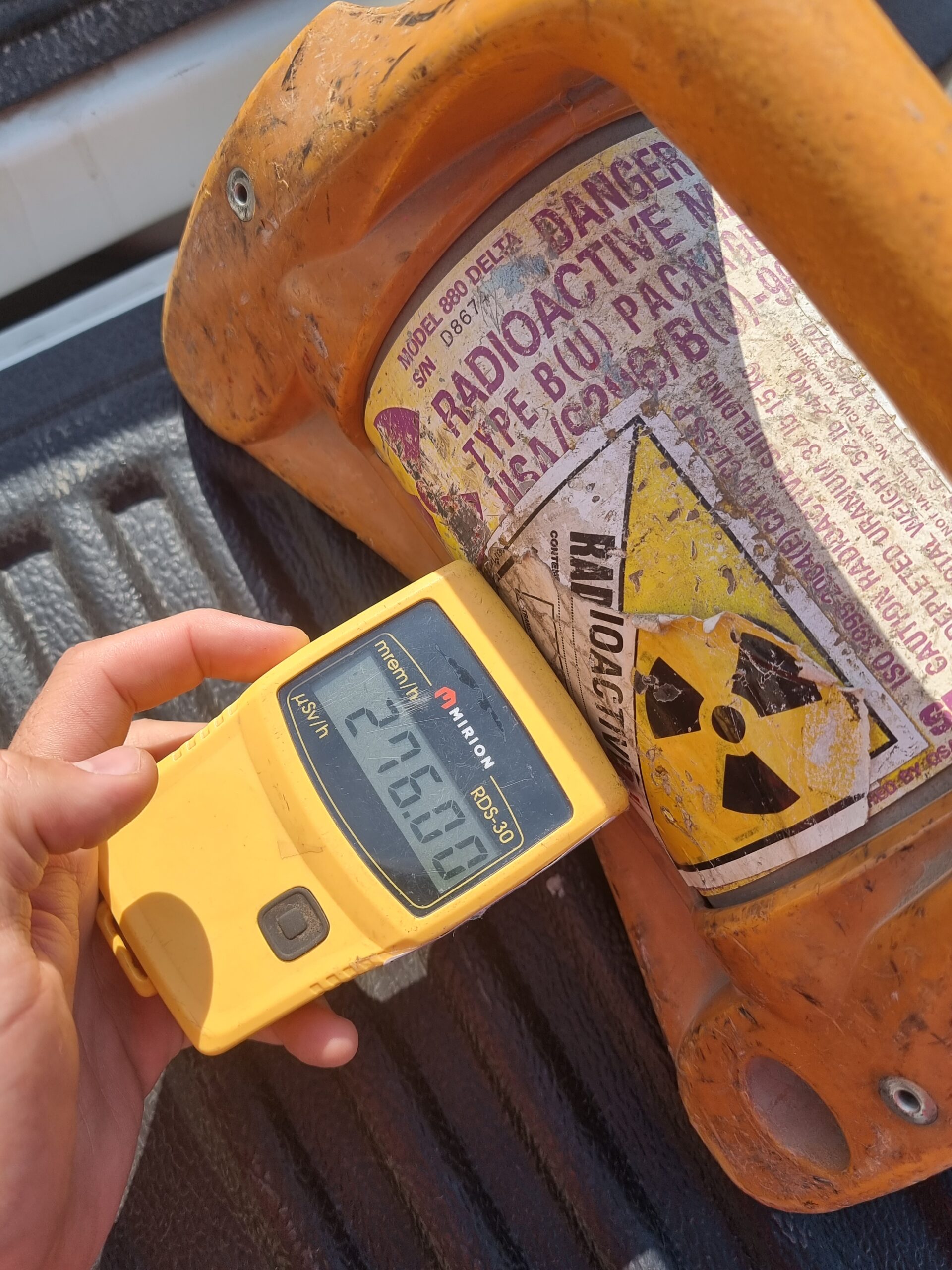
Monitoring & Controls: Real-time radiation detectors, temperature sensors, and remote telemetry.
5. Fabrication Details
Module Preparation
Machine inner stainless-steel liners.
Cast concentric lead shielding and pour high-density concrete.
Seal casks to Class 1 weld standards.
Structural Assembly
Retrofit a 30 m × 10 m barge with reinforced deck plates.
Weld vertical shielding panels; install containment canopy.
Mount cooling skid and electrical/mechanical control cabin.
Final Integration
Bolt casks to deck mounts; connect cooling loops and power.
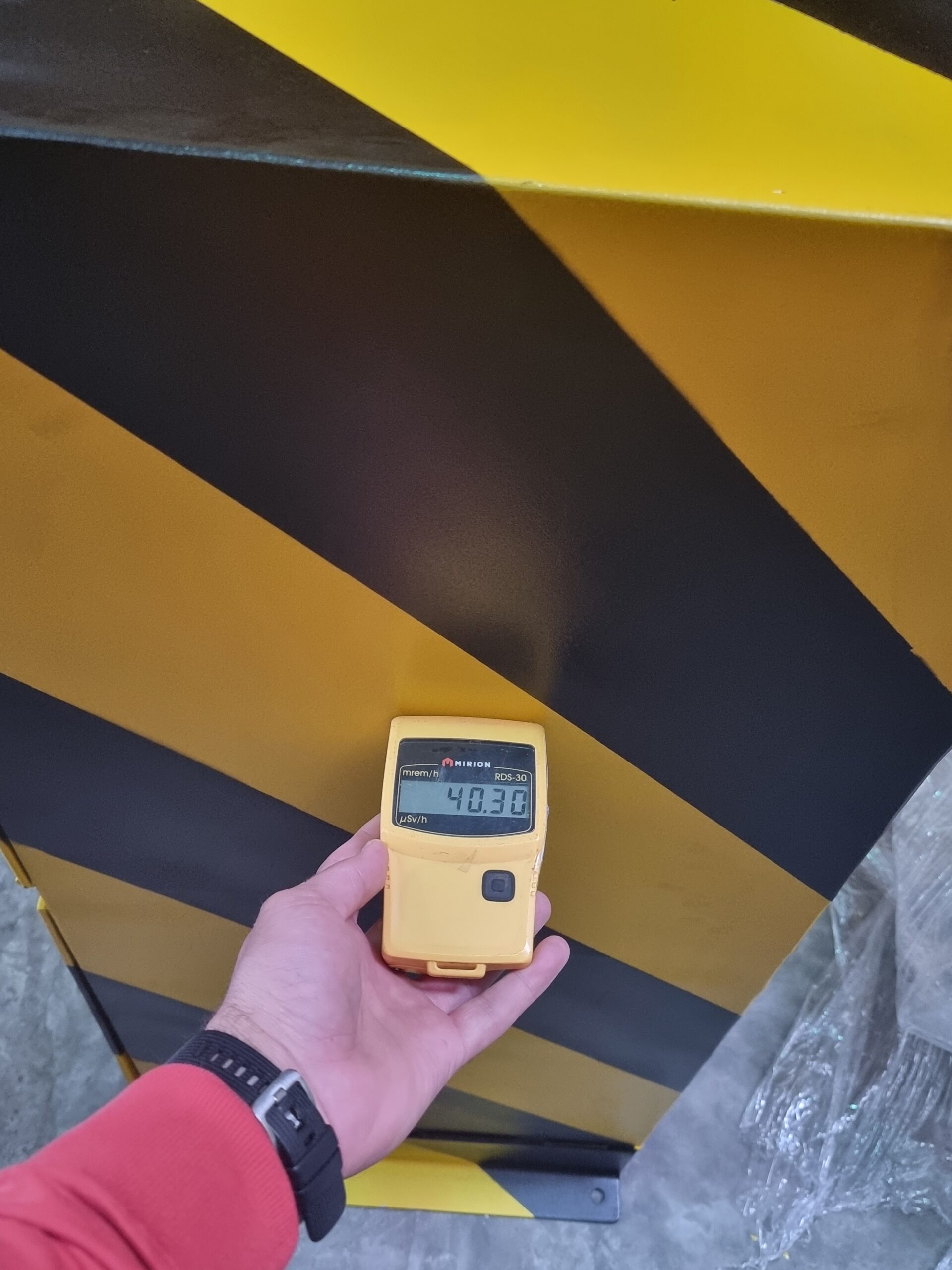
Calibrate monitoring systems; perform hydrostatic and radiological tests.
6. Safety & Redundancy
Primary Shielding: ≥ 0.5 m lead equivalent on all sides.
Backup Systems: Dual-pump cooling, redundant power supplies.
Emergency Protocols: Automated safe-shutdown on sensor trip; remote-controlled isolation valves.
7. Materials & Procurement
Shielding: Lead alloys, high-density concrete (> 5.6 g/cm³).
Structure: Marine-grade steel (A36 or equivalent).
Ancillaries: Seismic-qualified containment seals, marine-rated piping.
8. Deployment & Transportation
Towable via standard offshore support tugs.
Mooring fittings for single-point or spread-mooring systems.
Capable of 5 knots transit in up to Sea State 4 conditions.
9. Offshore Integration
Designed to interface with platform cranes or gangways.
Compatible with dynamic positioning vessels for precise station-keeping.
10. Regulatory Compliance
IAEA SSR-6 and IMDG Code for maritime transport.
Lloyd’s Register certification for offshore structures.
UAE FANR Type B package approval process.