TENORM Contaminated Tubular Managment
Project Context & Client Needs
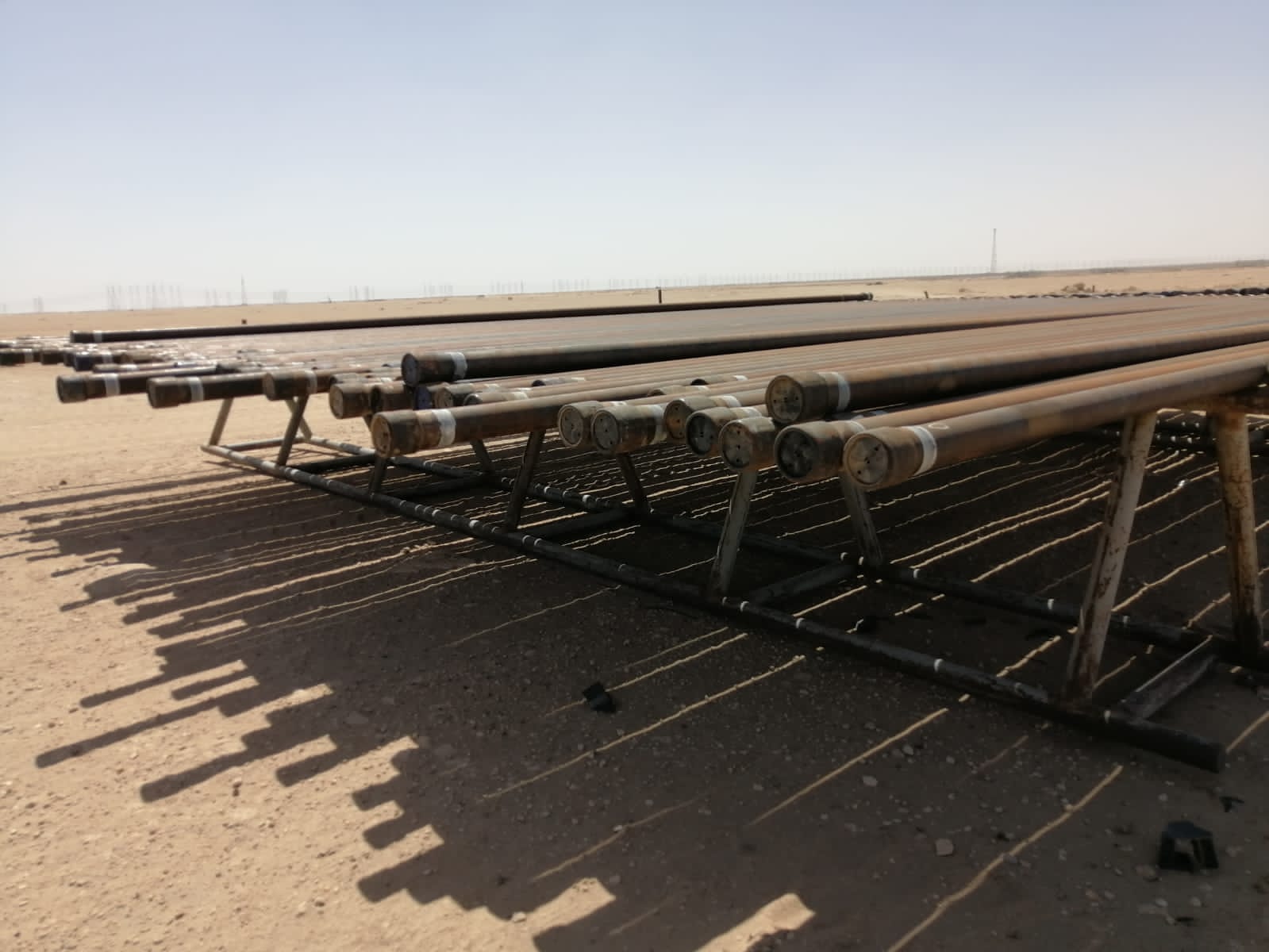
A major GCC metal-fabrication yard must handle, store, and ultimately dispose of tubular components (pipe, casing, tubing) exhibiting elevated Naturally Occurring Radioactive Materials (TENORM) levels—primarily from scale and sludge. These activities trigger licensing under national radiation-safety regulations (e.g., UAE’s FANR, KSA’s K.A.CARE) and require a comprehensive radiation-protection strategy across storage, sorting, and transport operations.
Regulatory Liaison & Licensing
- TENORM Classification & Gap Analysis
- Characterize activity concentrations (e.g., Ra-226, Ra-228) via grab samples and gamma spectrometry to determine regulatory thresholds (exemption vs. licensed waste).
- Identify which handling/storage activities require a formal Radioactive Waste Management License under local TENORM pr
- ovisions.
- Dossier Preparation & Submission
- Assemble technical files: contamination survey data, site-layout plans, waste-stream descriptions, and worker profiles.
- Draft a dedicated TENORM
- Management Plan, covering segregation, packaging, storage, transport, and disposal procedures, in line with IAEA GSG-1 and local guidance.
- Regulator Interface
- Serve as Authorized Representative, coordinating site inspections, addressing regulator queries, and tracking review progress to obtain:
- Authorization to Store TENORM above clearance levels
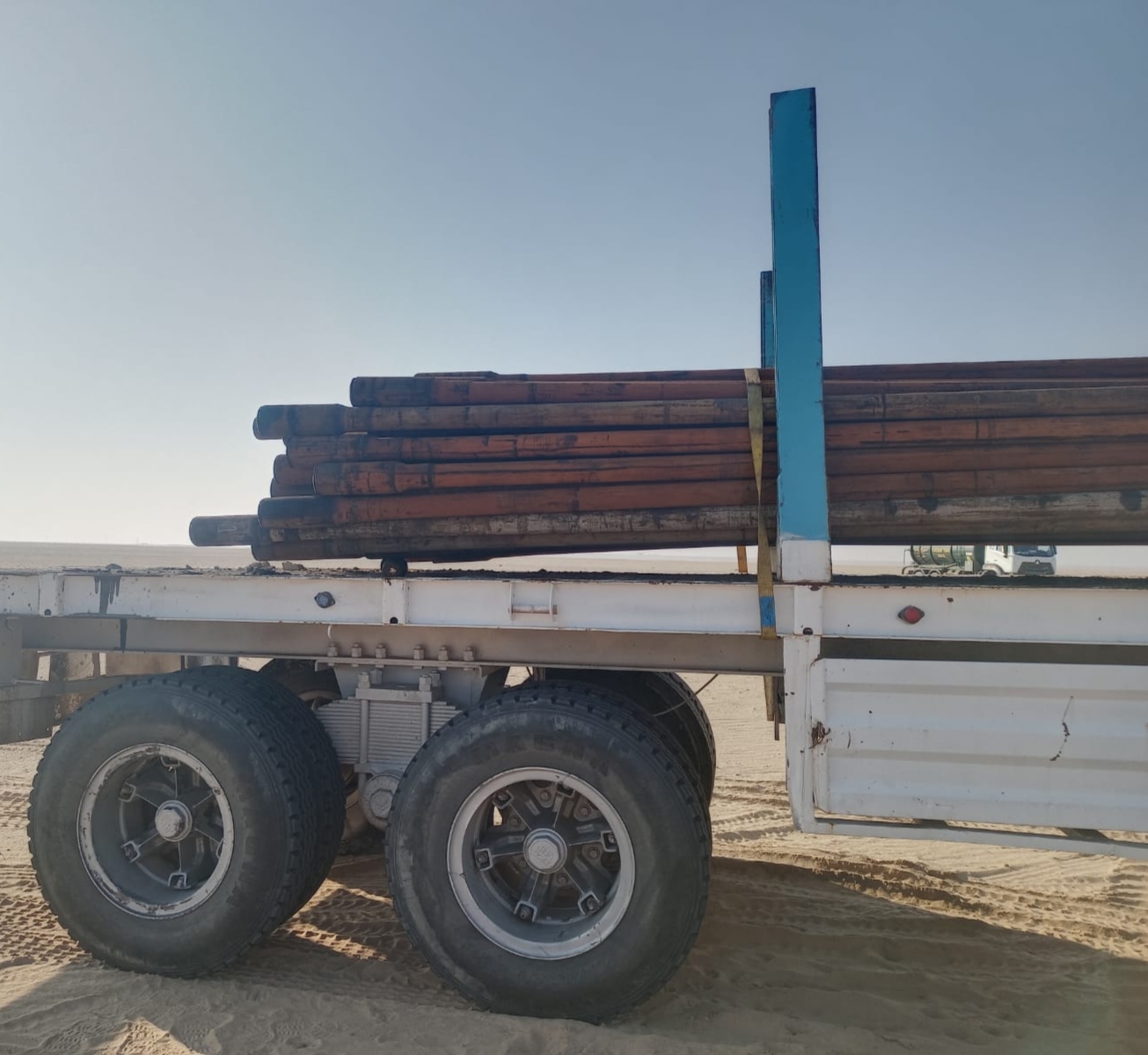
- Authorization to Transport encapsulated TENORM off-site
- Serve as Authorized Representative, coordinating site inspections, addressing regulator queries, and tracking review progress to obtain:
Yard Layout & Contamination Control
- Zoning & Access Control
- Delineate “Controlled,” “Supervised,” and “Clean” areas via painted demarcations and physical barriers.
- Establish separate lanes for inbound contaminated tubulars, decontamination stations, and outbound cleared steel.
- Containment & Surface Protection
- Install impermeable liners and modular steel
- bunds in storage zones to prevent soil contamination and facilitate spill control.
- Provide dedicated wash-down bays with effluent collection for scale/sludge removal.
- Ventilation & Dust Suppression
- Deploy localized misting systems and high-efficiency particulate filters in de-scaling areas to minimize airborne particulates.
Radiological Monitoring & Instrumentation
- Area Monitors & Hand-Held Scans
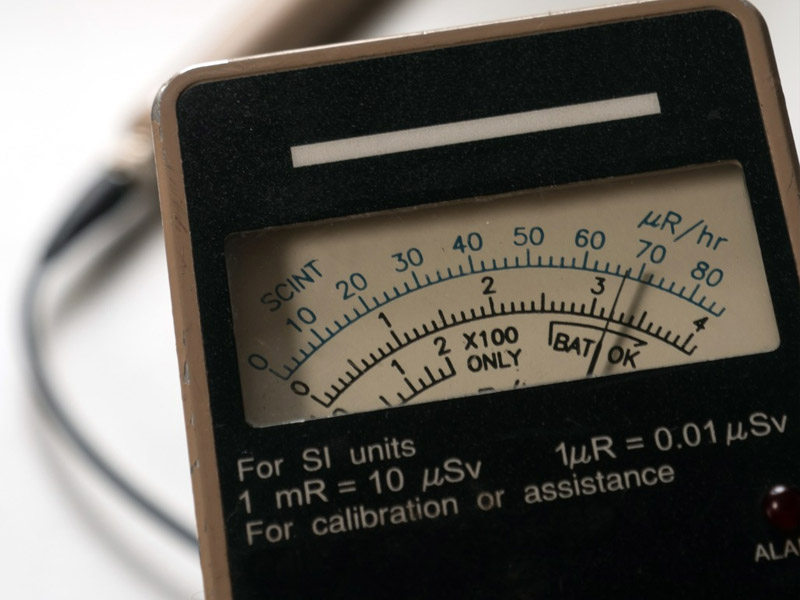
- Position gamma-rate monitors at zone boundaries with setpoint alarms (e.g., 0.5 µSv/h) to warn of hot-spot migration.
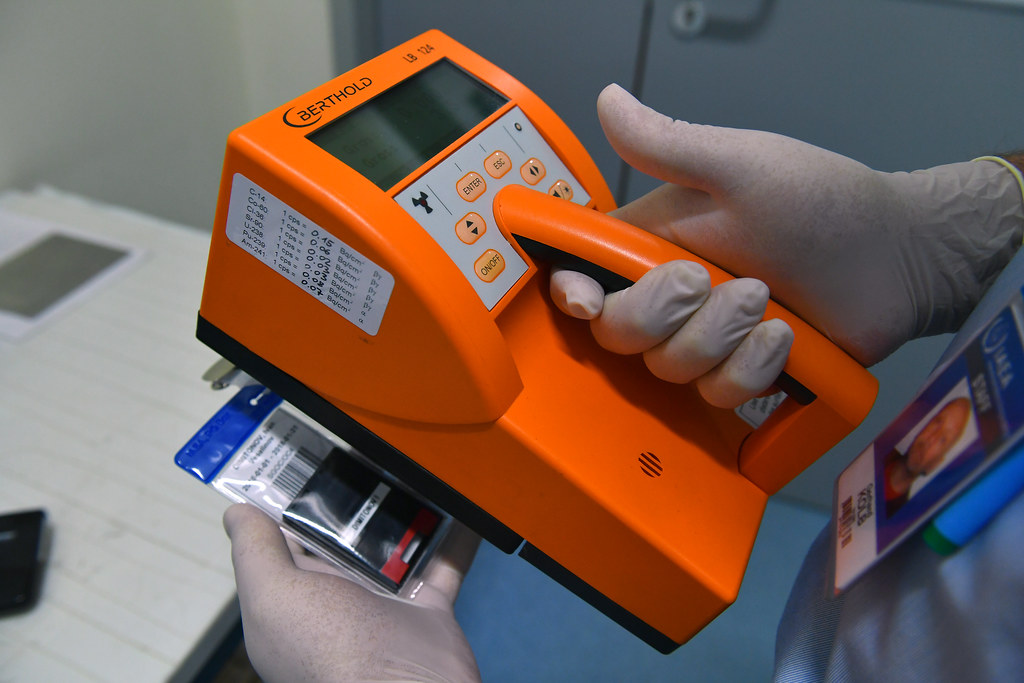
- Equip operators with friskers and scintillation probes for rapid tube-by-tube surveys.
- Contamination Mapping
- Conduct grid surveys of storage pads and change areas with a sodium-iodide (NaI) probe to produce dose-rate heatmaps.
- Use portable alpha/beta counters for sludge and scaale residue assessment.
Shielding, Packaging & Transport
- Interim Storage Containers
- Specify steel overpacks or lead-lined boxes sized for standard tubular sections, ensuring surface dose rates at 1 m remain < 0.5 mSv/h.
- Transport Packaging Design
- Design Type A packages for TENORM sludge concentrates, with absorbent liners and tamper-evident seals per IAEA SSR-6.
- Labyrinth & Shielded Storage
- For particularly hot batches, set aside a reinforced concrete “hot-bay” with > 200 mm equivalent steel shielding, accessed via a short labyrinth to attenuate streaming.
Personnel Protection & Training
- PPE & Dosimetry
- Issue full-face respirators in de-scaling booths, coveralls, and double gloves.
- Assign electronic personal dosimeters with alarms, plus monthly TLD badges for cumulative exposure tracking.
- Training & Drills
- Run hands-on workshops covering:
- Sludge removal procedures
- Frisking techniques and action levels
- Spill response and waste segregation
- Use of area monitors and personal alarms
- Run hands-on workshops covering:
Commissioning, Surveys & Documentation
- Acceptance Testing
- Perform final dose-mapping around storage racks and wash-down areas, comparing measured values against design targets (< 0.02 mSv/h in uncontrolled zones).
- Verify interlock alarms, container integrity, and packaged transport units via leak-testing.
- Handover Package
- Deliver as-built site drawings, monitoring results heatmaps, calibration certificates, and a revised TENORM Management Manual.
Waste Disposal & Regulatory Close-Out
- Disposal Pathways
- Coordinate with licensed TENORM disposal facilities in the GCC, arranging manifests and transport per local regulations.
- Regulatory Reporting
- Submit quarterly waste-movement reports and annual radiation-safety audit findings to the authority.
Outcomes & Client Benefits
- Seamless Regulatory Approval
- First-pass acceptance of TENORM Storage and Transport Authorizations, minimizing operational delays.
- Optimized Yard Footprint
- Efficient zoning and modular containment saved up to 20 % in civil works costs.
- Enhanced Safety & Compliance
- Post-commissioning surveys showed public-area dose rates < 0.005 mSv/h and zero slow-uptake contamination events.
- Sustainable TENORM Program
- A living TENORM Management Manual and refresher-training schedule ensure ongoing compliance and improve operational discipline.
By leveraging our deep expertise in TENORM regulations, advanced monitoring technologies, and turnkey implementation—from licensing to final disposal—RadXion ensures your yard operates safely, efficiently, and fully within all GCC radiation-safety requirements.