1. Project Overview
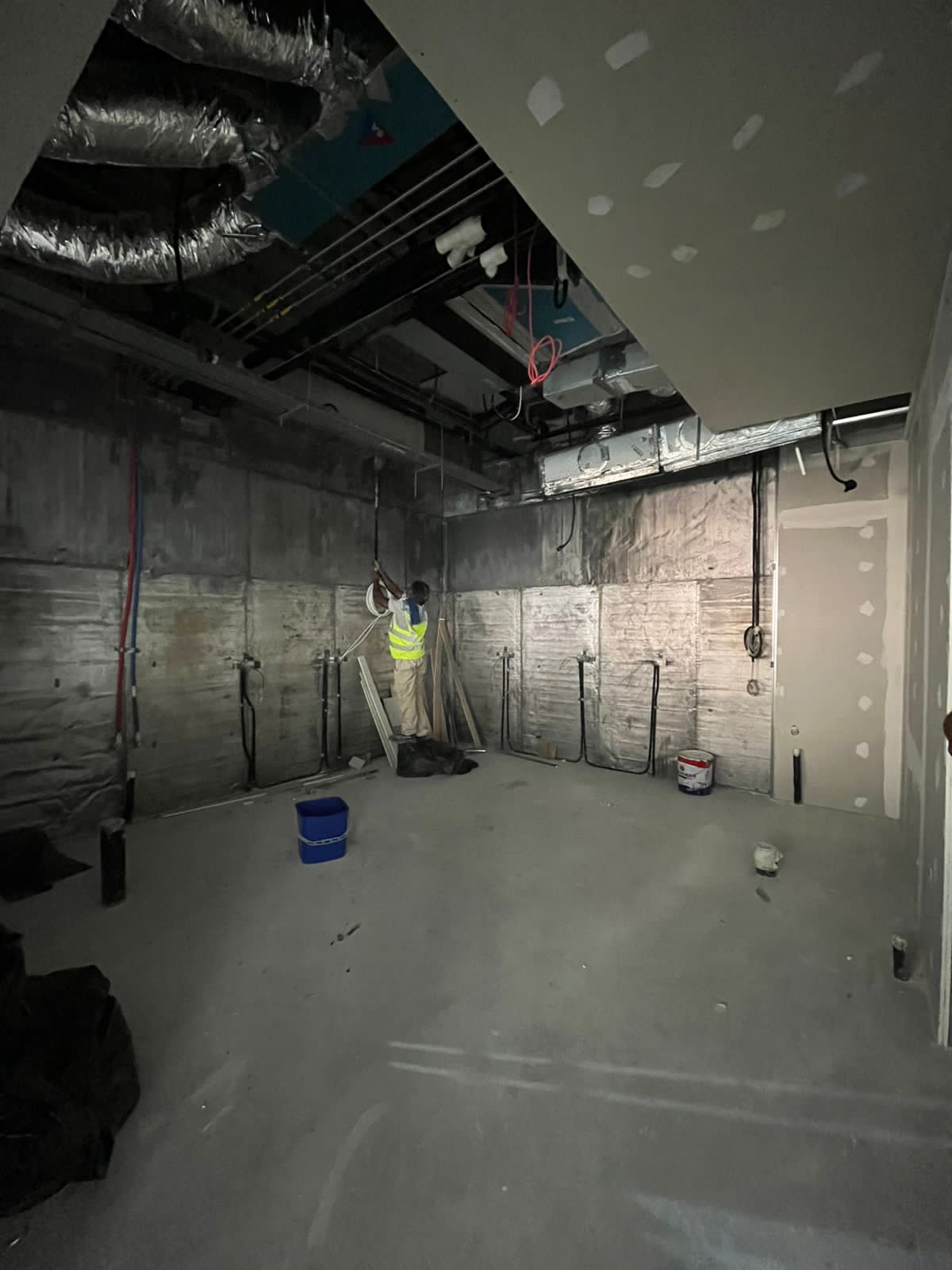
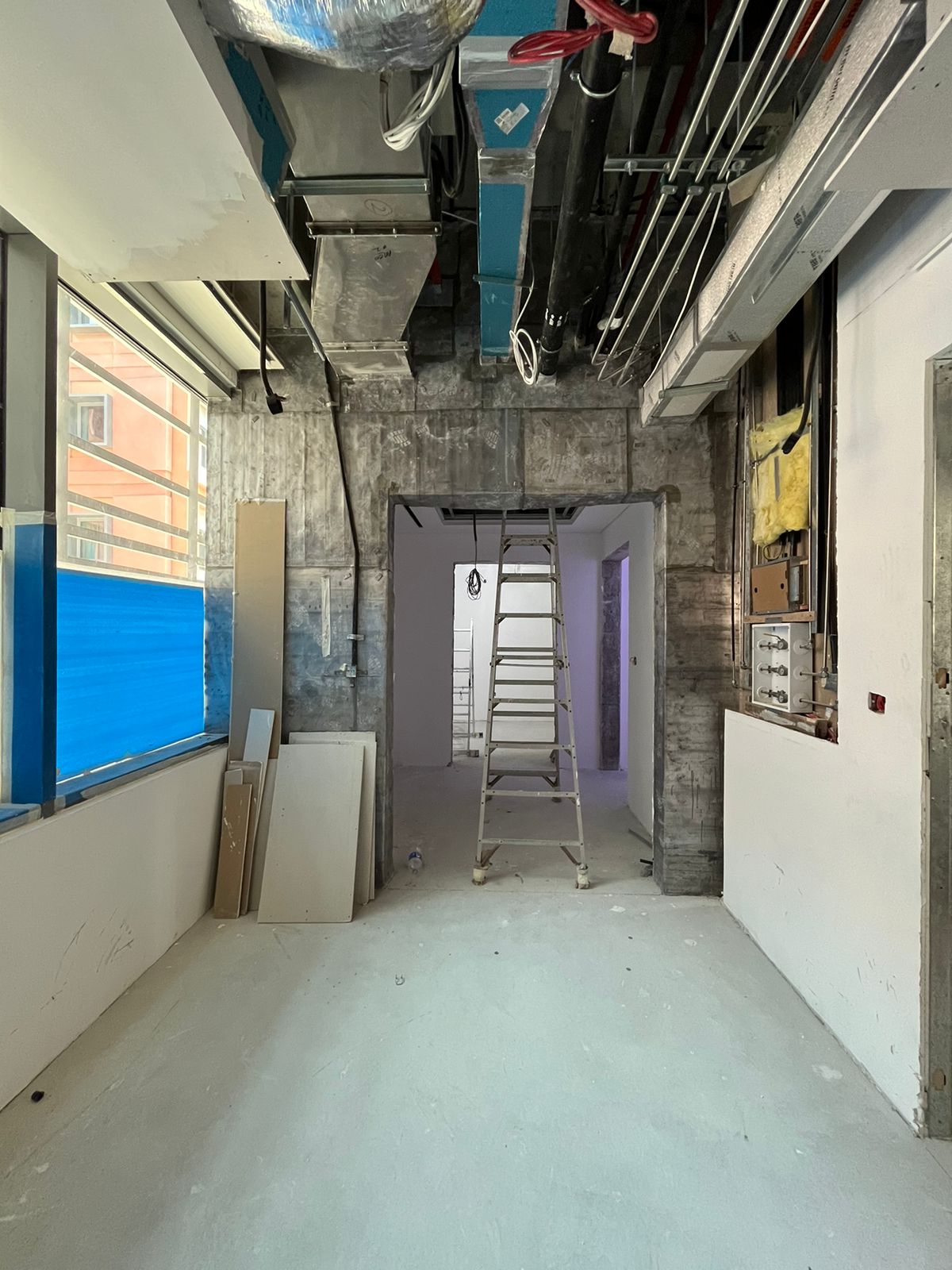
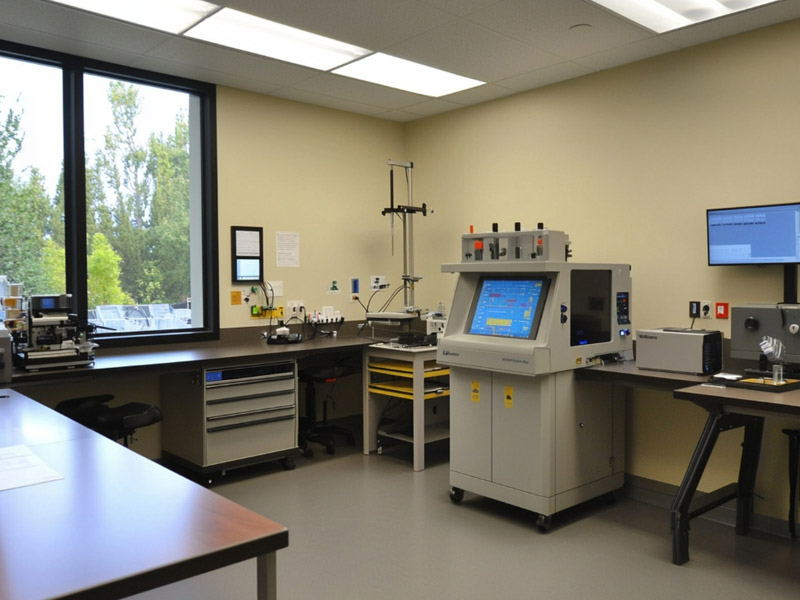
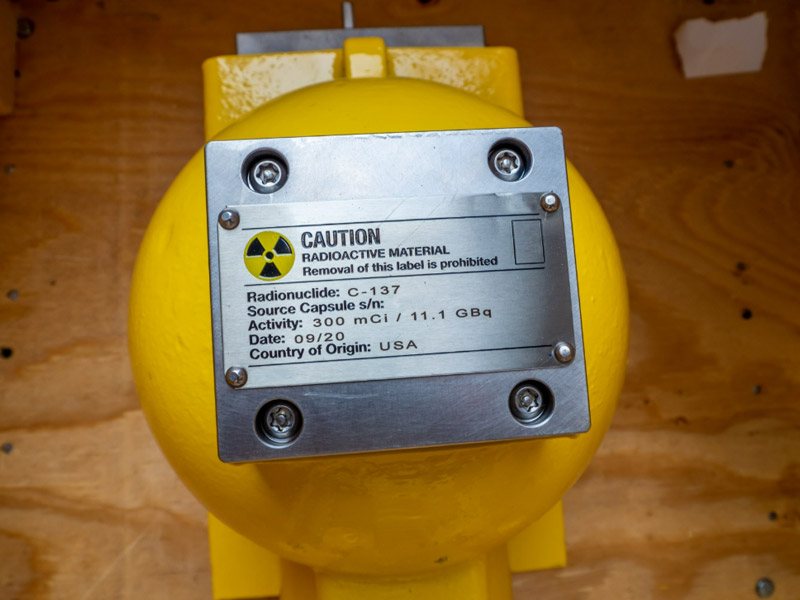
RADXION was commissioned to design and deliver a turnkey radiation-shielding solution for a new research laboratory housing a 150 kV X-ray diffraction system and a Cs-137 irradiator. The work encompassed conceptual engineering, detailed shielding calculations, fabrication drawings, and on-site integration of bulk shielding, penetration chases, and access controls.
2. Objectives
-
Dose-Rate Control: Ensure external dose rates in adjoining offices and public corridors remain ≤ 0.02 mSv/h under maximum operating conditions.
-
Ergonomic Access: Integrate service panels and labyrinth entrance to facilitate routine maintenance without compromising shielding integrity.
-
Regulatory Compliance: Meet IAEA SSR-6, local radiation protection regulations, and building-code requirements for structural loads.
-
Future-Proofing: Allow for accommodation of a potential upgrade to a 300 kV X-ray source with minimal modifications.
3. Scope of Work
-
Shielding Assessment & Calculations
-
Compute required barrier thicknesses for 150 kV X-rays (broad-beam geometry) and 662 keV gammas using point-kernel methods.
-
Model scatter contributions to control‐room interior using Monte Carlo verification.
-
-
Architectural & Structural Integration
-
Develop CAD drawings for 0.4 m–0.6 m thick high-density concrete walls (ρ ≥ 3.2 g/cm³).
-
Specify reinforced steel lintels for door and window penetrations.
-
-
Penetrations & Labyrinth Design
-
Design cable and duct chases with double-offset dog-leg geometry to prevent streaming.
-
Detail a double-door labyrinth entry, including interlocked doors and warning lights.
-
-
Shielded Viewing Window & Equipment Ports
-
Specify 50 mm lead-equivalent polycarbonate window with laminated safety glass backing.
-
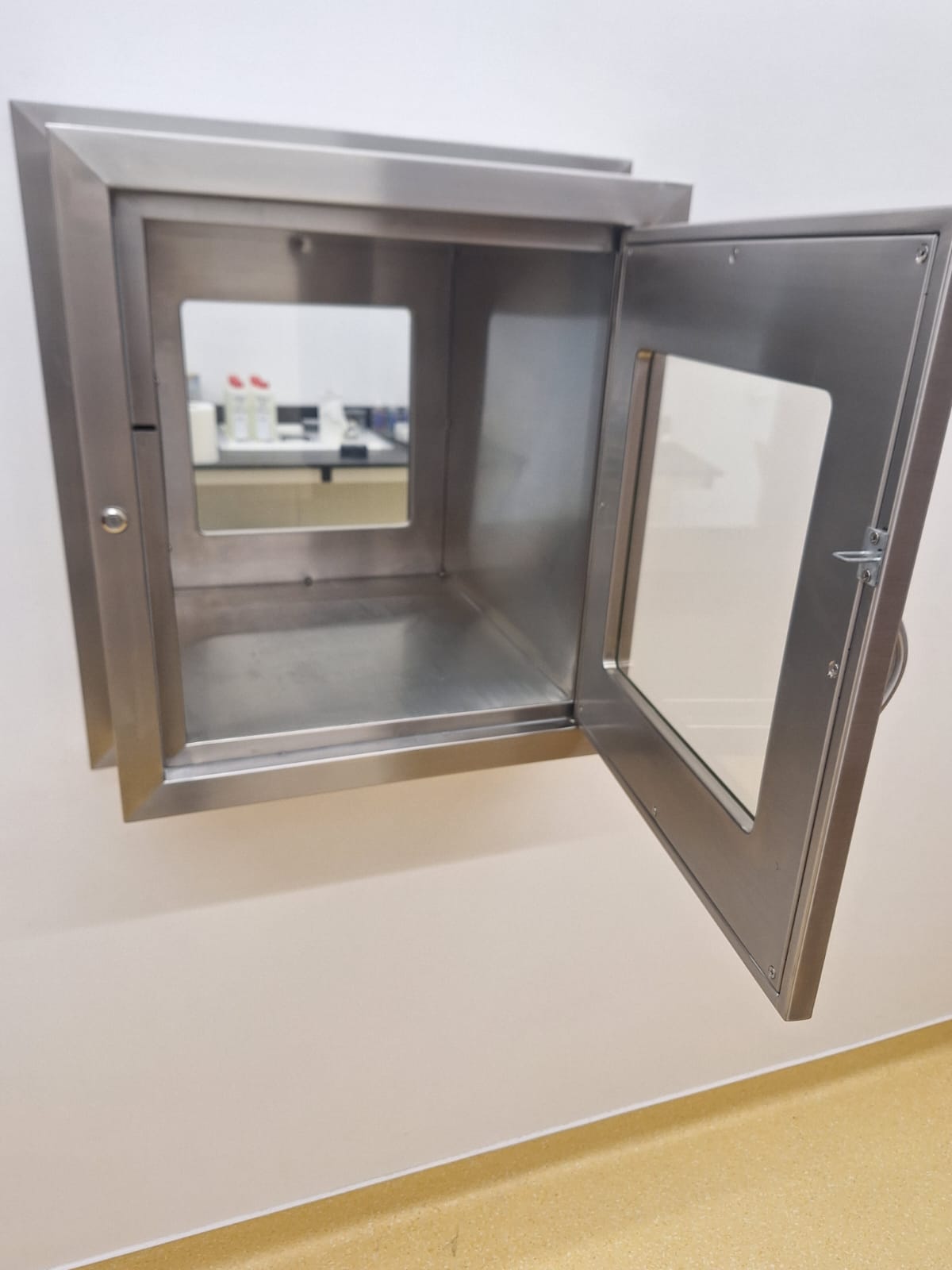
Design shielded feed-through ports for power, data, and utilities with removable lead collars.
-
4. Design Considerations
-
Beam Geometry: Account for primary, scatter, and leakage radiation paths.
-
Occupancy Factors: Evaluate adjacent spaces for “controlled” vs. “supervised” occupancy classifications.
-
Structural Loads: Verify that additional concrete density does not exceed slab loading limits.
-
Serviceability: Include removable access panels for source replacement and wall-chasing.
5. Materials & Construction
-
High-Density Concrete: Iron-oxide–enhanced mix achieving 3.2 g/cm³, cast in-place.
-
Lead Sheet Lining: 10 mm Pb sheets behind wall finishes in high-flux zones.
-
Steel Framing: S355 structural steel for door frames and lintels.
-
Sealants & Gaskets: Radiation-resistant silicone for panel joints; labyrinth door seals rated to –40 °C to +120 °C.
6. Safety Features & Compliance
-
Interlocks: PLC-controlled door interlocks with fail-safe relays on source drives.
-
Warning Systems: Exterior warning lights, audible alarms, and beacon chain tied into building fire system.
-
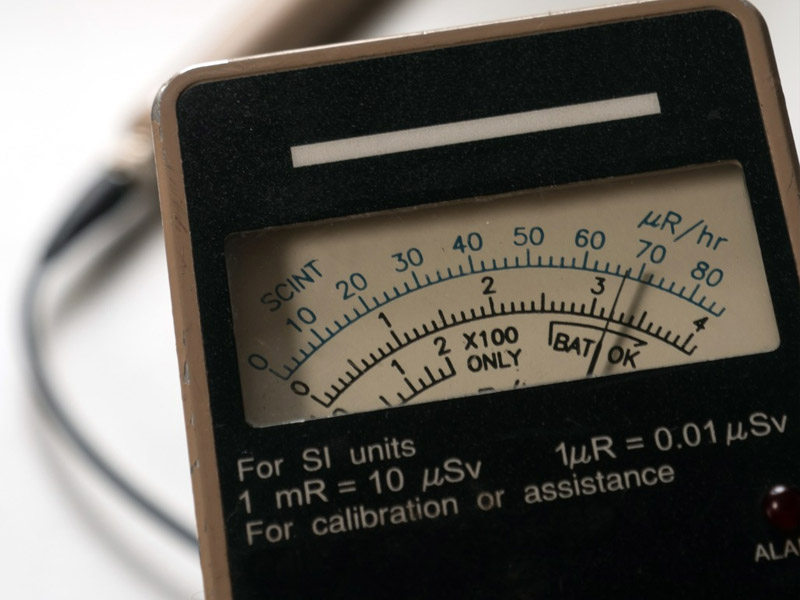
Survey Ports: Embedded labyrinth‐sealed survey tubes for easy quarterly dose checks.
-
Documentation: Comprehensive shielding report, “as-built” drawings, and regulatory submission package for FANR approval.
7. Deliverables
-
Shielding Calculation Report (including Monte Carlo validation plots).
-
Fabrication & Installation Drawings for walls, doors, windows, and chases.
-
Material Specification Sheet for concrete mix, lead lining, and sealants.
-
Compliance Package with IAEA SSR-6 justification, local permit applications, and safety datasheets.
-
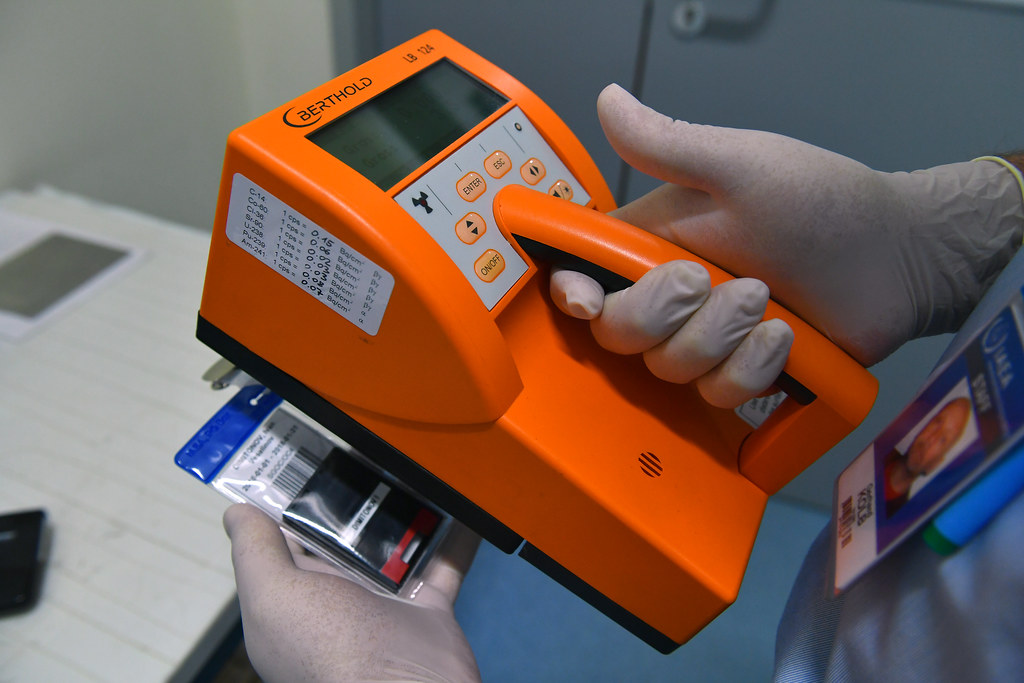
Post-Installation Verification: On-site radiation surveys and “Certificate of Compliance” for operational handover.