1. Project Overview
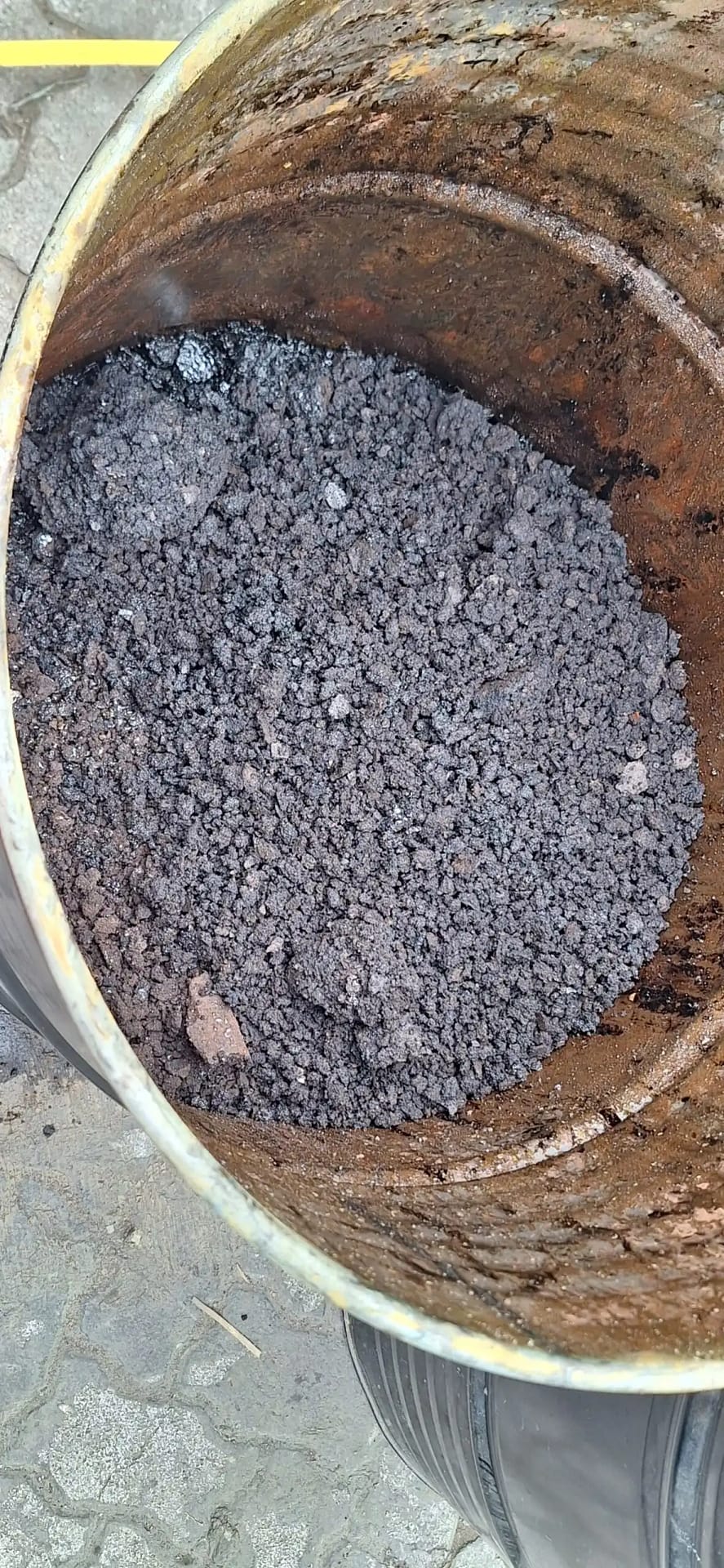
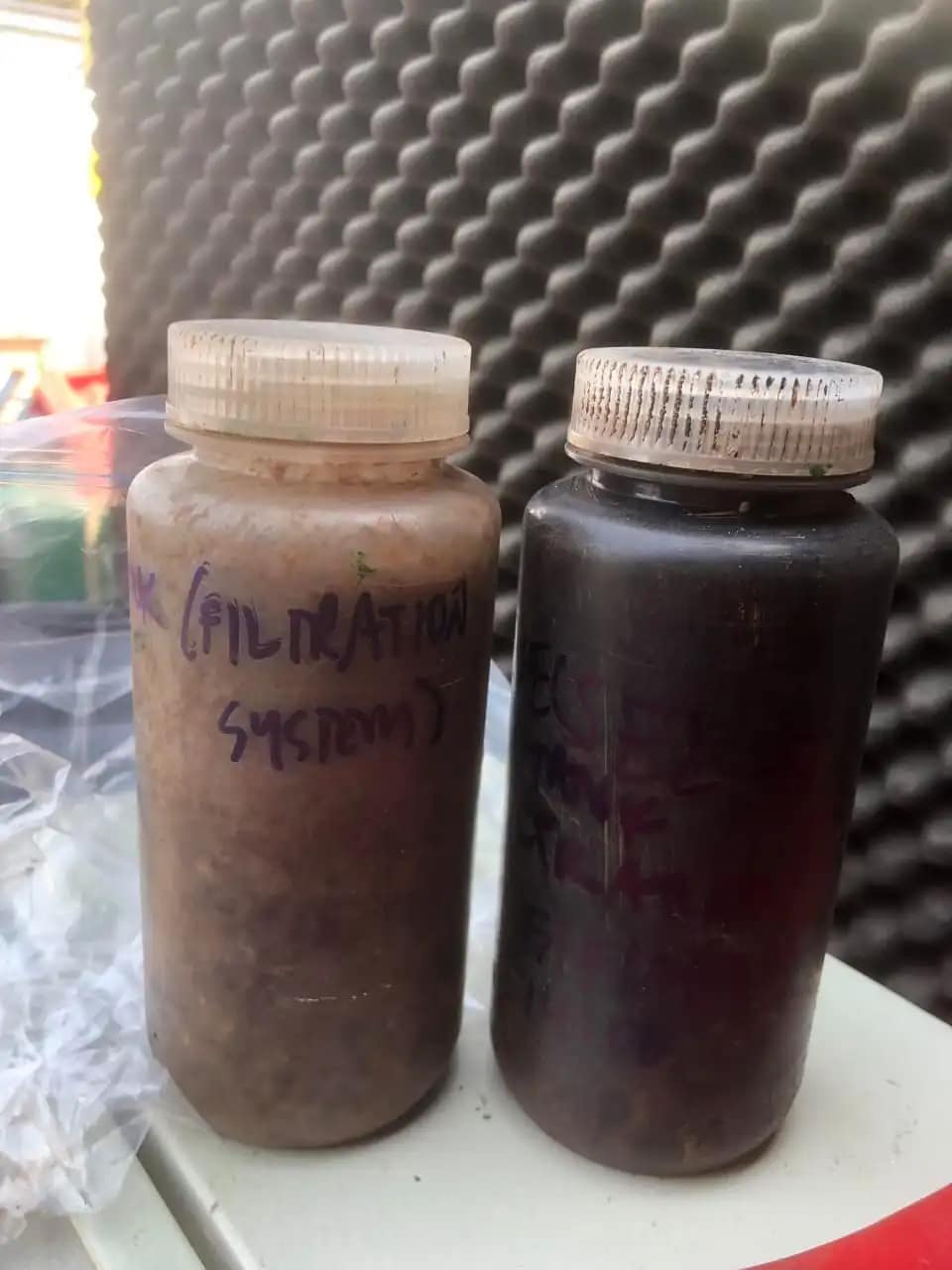
RADXION was engaged by an energy-sector client to design and execute a comprehensive field sampling and laboratory analysis program for Technologically Enhanced Naturally Occurring Radioactive Material (TENORM) in soils, sludge, and scale deposits. The goal was to quantify radionuclide concentrations (primarily ^226Ra, ^228Ra, ^210Pb, and ^40K), assess spatial distribution, and provide data for risk assessment and disposal decisions.
2. Objectives
-
Characterize TENORM Levels: Determine activity concentrations of ^226Ra, ^228Ra, ^210Pb, and ^40K in representative matrices.
-
Map Spatial Variability: Establish concentration gradients across the site to identify hotspots.
-
Support Risk Assessment: Provide data for dose and risk modeling and for classification of waste streams.
-
Guide Remediation & Disposal: Recommend appropriate handling, disposal routes, and any necessary site remediation.
3. Scope of Work
-
Field Sampling
-
Develop a statistically robust grid sampling plan covering production, storage, and discharge areas.
-
Collect surface (0–5 cm) and subsurface (5–30 cm) soil cores, sludge grab samples, and scale scrapings.
-
Record GPS coordinates, depth, moisture, and field gamma-survey readings for each sample.
-
-
Sample Handling & Chain of Custody
-
Label and seal all samples in radiologically approved containers.
-
Maintain full chain-of-custody logs from field to laboratory.
-
Store samples under controlled temperature and shielded transport conditions.
-
-
Laboratory Analysis
-
Gamma Spectrometry: Quantify ^226Ra, ^228Ra, ^210Pb, and ^40K using high-purity germanium (HPGe) detectors.
-
Alpha Spectrometry: Confirm ^210Po (decay product of ^210Pb) in selected high-activity samples.
-
Chemical Preparation: Drying, homogenization, and acid digestion where required for matrix consistency.
-
-
Quality Assurance & Quality Control (QA/QC)
-
Analyze method blanks, matrix spikes, and certified reference materials (NIST SRMs) in each batch.
-
Duplicate analysis on 10 % of samples to verify reproducibility.
-
Apply decay corrections and detector efficiency calibrations per ISO 18589 protocols.
-
4. Equipment & Materials
-
Field Instruments: Portable NaI(Tl) gamma survey meter; GPS unit; stainless-steel corers; sediment scoops.
-
Sample Containers: Pre-cleaned Marinelli beakers (for solids), HDPE bottles (for liquids), and sealed plastic bags.
-
Laboratory Instrumentation: HPGe gamma spectrometer with 50 % relative efficiency; alpha spectrometer; microwave digestion system; analytical balance (± 0.1 mg).
5. Health, Safety & Regulatory Compliance
-
Conduct work under a Radiation Work Permit (RWP) and site-specific HSE procedures.
-
Equip field teams with personal dosimeters, TLDs, and survey meters.
-
Follow IAEA “Safety Guide for TENORM” and local environmental discharge regulations.
-
Implement spill-response kits and designated decontamination zones at sampling points.
6. Data Reporting & Deliverables
-
Preliminary Field Report: Summary of sampling locations, field measurements, and any deviations from plan.
-
Analytical Report: Tables of radionuclide concentrations (Bq/kg or Bq/L), QA/QC results, decay-corrected values, and method detection limits.
-
Spatial Maps: Contoured concentration maps overlaid on site layout to highlight hotspots.
-
Interpretive Summary: Assessment of radiological risk, classification of waste streams, and recommendations for handling, storage, or remediation.
-
Final Presentation: PowerPoint brief to client’s technical and HSE teams, including key findings and next-step guidance.